
 English
 русский
 Español
 عربى
عربىContent
When choosing the safest door lock, there's usually no single absolute winner, as different scenarios require different security priorities. However, in terms of security level and structural reliability, the following types of door locks are generally considered among the most secure options currently available on the market:
1. Anti-theft locks with complex cylinder structures
The lock cylinder is the heart of the door lock. The most secure lock cylinders currently use multi-row pins, wafer structures, or magnetic structures.
Multi-dimensional protection: The keys for these locks usually look very unusual, with numerous pits or complex grooves. This means that it's almost impossible to "figure out" the internal structure using simple wire tools like toothpicks or paperclips.
Anti-drilling design: High-security lock cylinders usually have high-strength hard alloy steel embedded inside to prevent someone from drilling through the cylinder with a power drill.
2. Double Cylinder Deadbolt
This is a physically very robust door lock.
Requires a key on both sides: The difference from ordinary locks is that a key is needed not only on the outside but also on the inside to open it.
Prevents entry through broken windows: Even if someone breaks the glass on the door, they can't reach in and turn the knob, because a key is still needed on the inside.
Thickened bolt: The bolt of this lock is usually very thick and deeply embedded in the door frame, making it very difficult to kick the door open by force.
3. Mortise Lock
Mortise locks are commonly used in hotel doors or heavy-duty entrance doors and are considered one of the most robust mechanical locks.
Recessed installation: It's not mounted on the surface of the door, but directly installed in a deep groove cut into the side of the door. The lock body and the door are integrated, resulting in a very compact overall structure.
Multi-point linkage: Many high-end mortise locks have a linkage function; turning the key causes multiple bolts to simultaneously extend from the top, bottom, and sides of the door, securely fixing the door to the door frame.
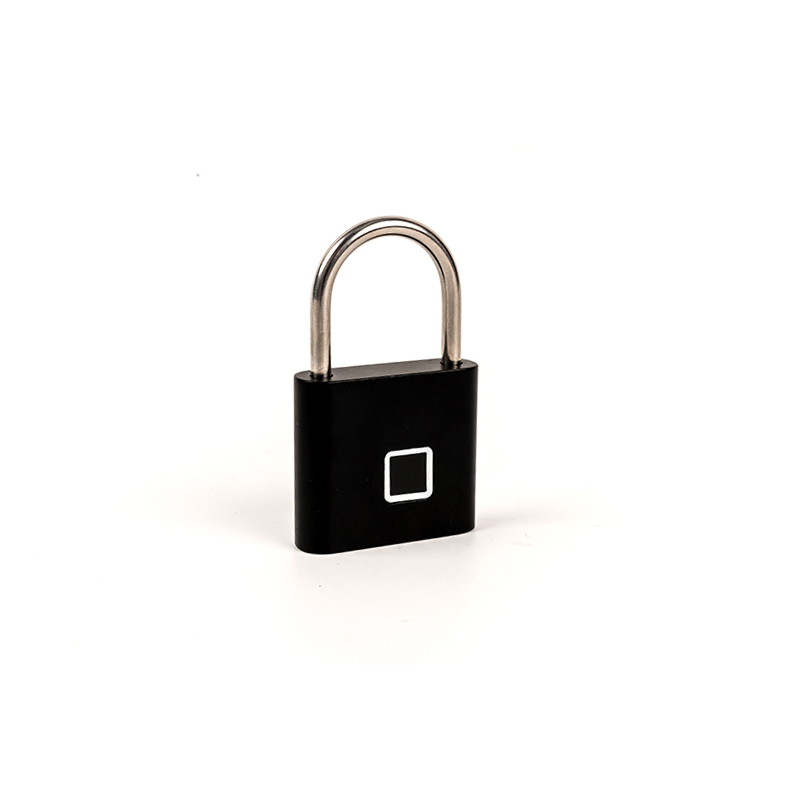
4. High-end Biometric Smart Locks
Modern smart door locks enhance security through technological means.
Fingerprint uniqueness: Because each person's biometric characteristics are unique, this eliminates the risk of keys being lost or duplicated. Real-time alarm: If someone attempts to forcibly pry open the lock or enters the wrong password multiple times, the lock will emit a loud alarm and send a notification to the owner's mobile phone.
Virtual password: Entering random numbers before and after the correct password will still unlock the door, effectively preventing others from peeking at the password.
5. Key details that determine security
Besides the lock itself, the following related factors also determine whether the door lock is truly "secure":
Reinforced strike plate: The metal plate installed on the door frame must be secured to the wall structure with long screws, not just to the wooden door frame.
Door strength: No matter how good the lock is, if the door itself is hollow, security is impossible.
Key management: Do not leave spare keys under the doormat or in a flowerpot; this is the most easily overlooked security vulnerability.