
 English
 русский
 Español
 عربى
عربىContent
It's difficult to say that there are any truly "unbreakable" door locks in the world, because any mechanical structure designed by humans will always have a way to be bypassed. However, some door lock designs are incredibly clever, rendering traditional lock-picking tools completely useless.
If you want a door lock that will make thieves turn and run, the following types are currently top contenders:
1. Keyless Smart Locks (No physical keyhole design)
This is the most direct approach: if there's no keyhole, those various lock-picking tools have nowhere to be inserted.
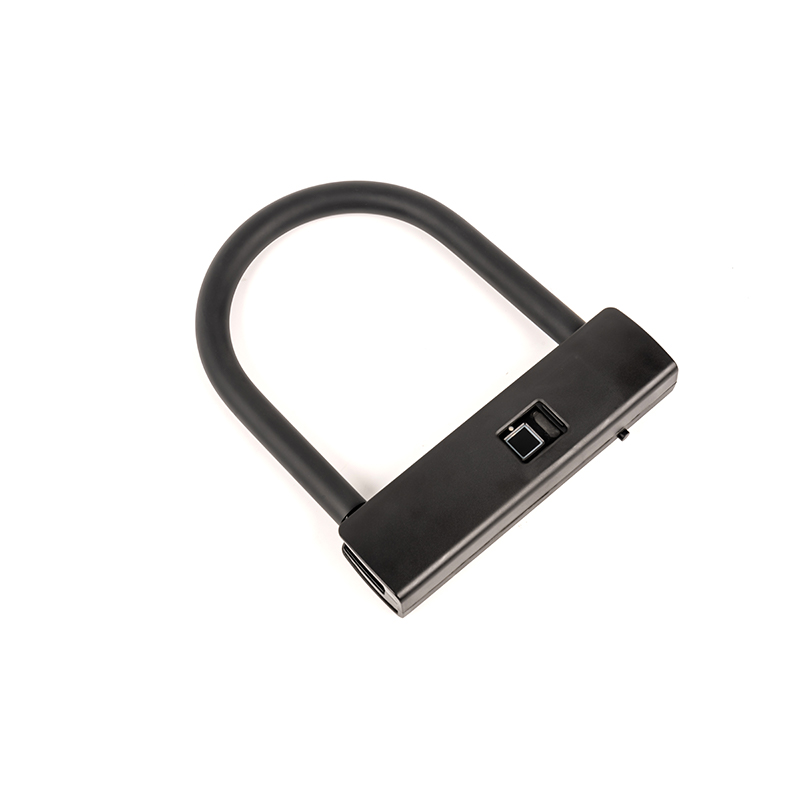
Physical immunity: Traditional lock picking relies on manipulating the pins inside the lock cylinder. This type of door lock completely eliminates the key slot and can only be opened via smartphone, encrypted remote control, or fingerprint.
Tampering alert: Because there's no hole to tamper with, gaining entry requires violently damaging the door itself. These locks usually have built-in sensors; if someone attempts to forcibly dismantle them, they will emit a loud alarm to scare off the intruder.
2. Wafer Lock Cylinders
Ordinary lock cylinders contain rows of small springs, while advanced wafer locks have layers of metal plates resembling book pages.
Anti-picking technology: Its principle is similar to a safe; unlocking requires rotating the wafers until the notches align. Traditional "hook" or "foil" tools are virtually useless against this type of door lock.
Misleading traps: Many top-tier wafer locks also have "false notches." The lock picker thinks they've found the correct position, but they've actually fallen into a trap pre-set in the lock cylinder, causing the lock cylinder to seize up completely.
3. Fully Automatic Electronic Sensor Locks
The essence of this lock lies in "non-contact" operation.
Dynamic encryption: The signal it uses is usually a constantly changing rolling code. Even if someone intercepts the signal at the door with an instrument, they will only get a one-time, already expired password.
Biometric recognition: Modern fingerprint recognition technology not only examines the patterns but also senses skin temperature and pressure. This means that using tape to copy fingerprints or fake fingerprint molds to fool this door lock is impossible.
4. Magnetic Combination Locks
This is a relatively uncommon but very effective type of door lock. Magnetic Drive: Its lock cylinder has no springs, relying entirely on the magnetic arrangement on the key to attract the internal components. Because there are no physical contact points, common lock-picking techniques are completely ineffective against it.
Protection against foreign object obstruction: Due to the unique internal structure of the keyhole, it also prevents people from inserting glue or foreign objects to tamper with the lock.
5. Why are they considered "difficult to open"?
These excellent door locks share a common characteristic: they increase the time required to open them.
Psychological warfare: For intruders, if they can't open the lock within a minute, their risk of being caught increases exponentially.
Limited tools: These locks require extremely specialized equipment and extensive practice to crack, resources that are simply unavailable to the average person.