
 English
 русский
 Español
 عربى
عربىDoor locks are like the gatekeepers of your home. Although they don't usually require much maintenance, they do have a lifespan and a "fatigue period." Many people use the same lock for decades, only thinking about replacing it when the key can no longer turn. This is actually quite risky.
Here are some key times and situations to consider when deciding how often to replace your door locks:
1. When moving into a new home
Whether you've bought a second-hand house or are renting, the first thing you should do after moving in is replace the door lock.
Unknown key whereabouts: You never know if the previous owner, previous tenant, real estate agent, or construction workers still have spare keys.
Peace of mind: Replacing the lock with a new one that only you and your family have keys to will truly make you feel that this place is your private space.
2. When you feel the door is difficult to open
If you find it difficult to insert the key, or if there is a noticeable jamming or a grating sound of metal friction when turning the key, it means the lock cylinder is severely worn.
Aging parts: The small springs and metal pieces inside the door lock will deform after thousands of uses.
Avoid locking yourself out: Instead of waiting until the lock completely stops working and locks you out of your home, it's better to replace it as soon as you notice any problems.
3. After losing or having your keys stolen
This is the most urgent situation. Even if you only lost one key, you should replace the entire door lock as soon as possible.
Prevention is better than cure: Although the person who finds your key may not know where you live, it's not worth taking the risk for that one in a million chance.
Overall replacement is safer: Many locks now allow for easy cylinder replacement, which can solve major security risks without costing much.
4. After experiencing violent impact or a break-in
If the door lock has been heavily impacted by external force, or if there have been unsafe incidents in the vicinity, it's best to check and replace it.
Invisible damage: Some door locks may look undamaged on the surface, but the internal anti-pry structure may have cracks, rendering it ineffective against future impacts.
Upgrade security level: If your current lock is an old, thin type, take this opportunity to replace it with a thicker, more complex model for greater peace of mind.
5. When it's time for a technology upgrade
Generally speaking, if your door lock has been in use for seven or eight years or more, you should consider replacing it with a new one.
Security technology is advancing: Lock-picking techniques are changing, and so are the security features of locks. A "high-security lock" from eight years ago might seem too simple in terms of its structure by today's standards.
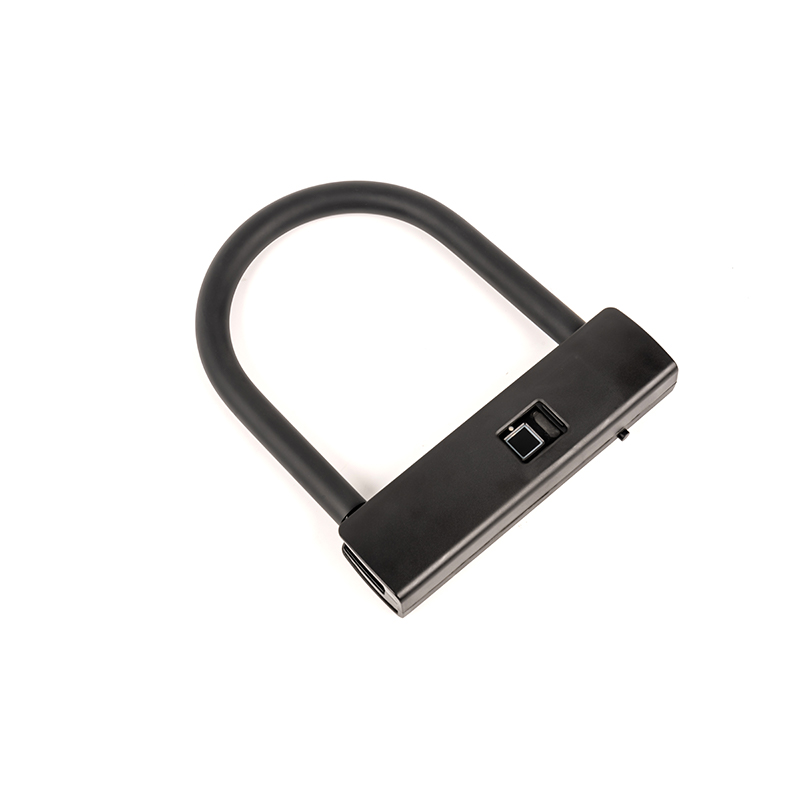
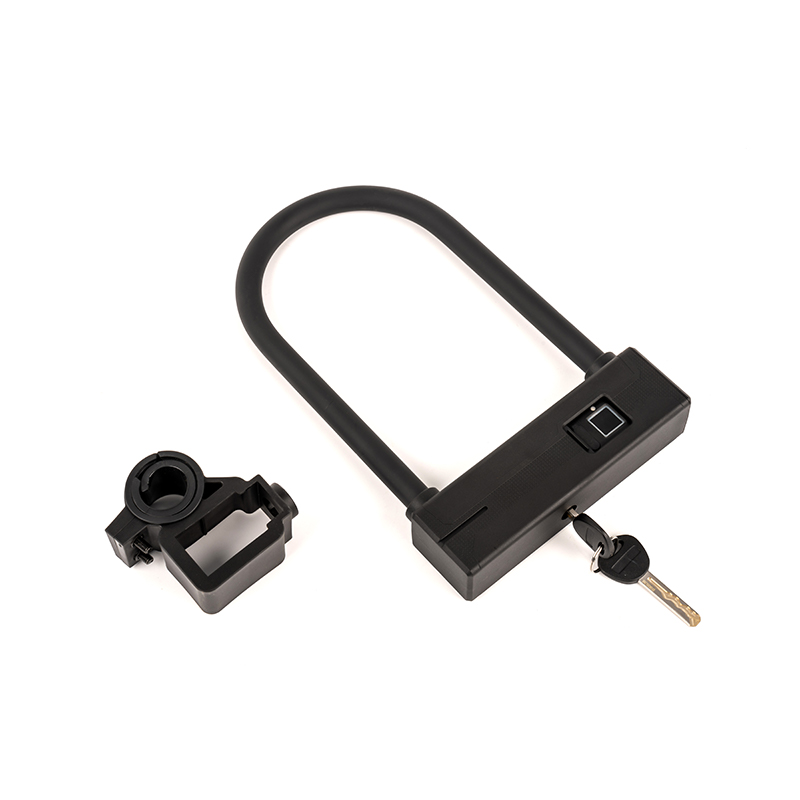
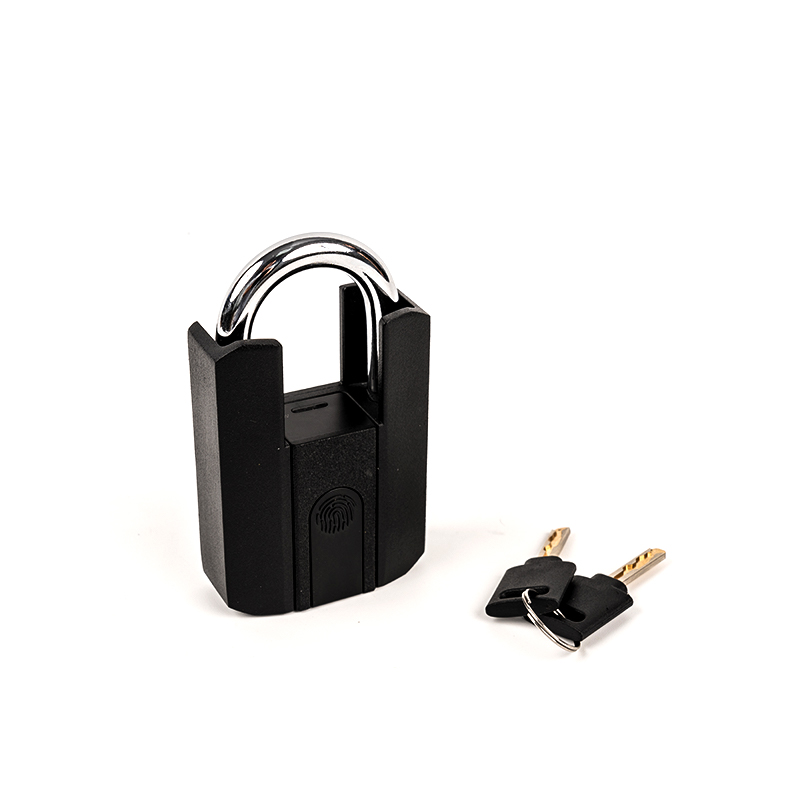
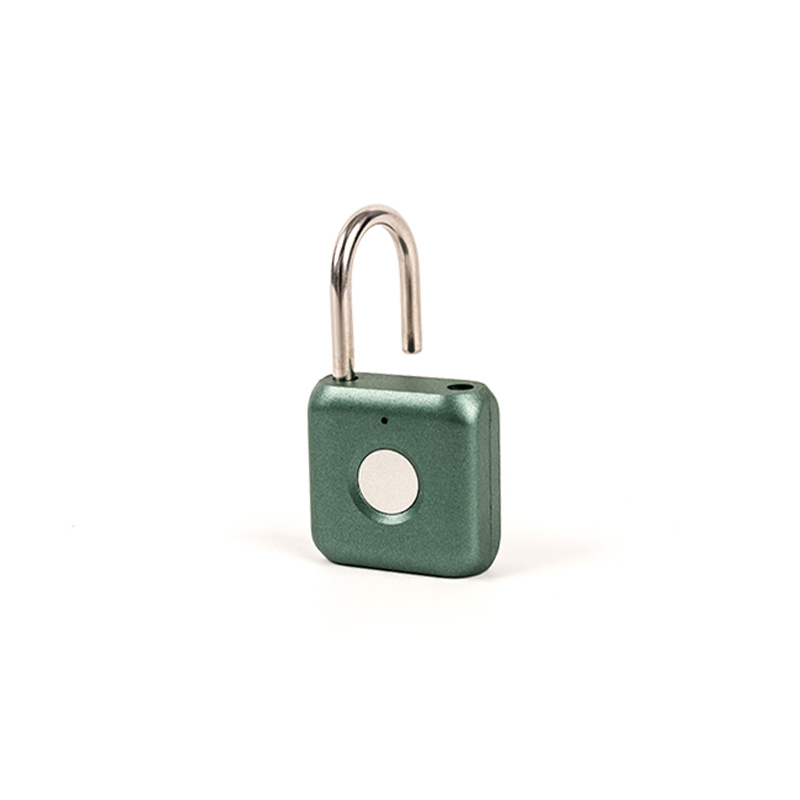
Seeking convenience: Many modern door locks offer smart features, such as keyless entry and fingerprint access. This improvement in quality of life is also a good reason to replace your lock.
6. The impact of seasons and environment
If your house is near the coast (salt spray corrosion) or in a very humid climate, the metal parts of the door lock are prone to rusting.
Rusting hazards: Rust can jam the small internal parts. In such environments, the frequency of lock replacement may need to be higher than in drier areas.