
 English
 русский
 Español
 عربى
عربىContent
Why Are Padlocks the "Swiss Army Knife" of Security?
Padlocks are called the "Swiss Army knife" of security tools not only because of their wide applicability, but also because of their core design philosophy—simplicity, reliability, and versatility.
Simplicity is Power
Compared to complex electronic locks, padlocks have a simple and straightforward mechanical structure. This "less is more" design philosophy allows for more precise locking cylinders and bolt components, providing extremely high anti-pry performance that electronic systems often struggle to match in harsh conditions.
Convenience of Portability
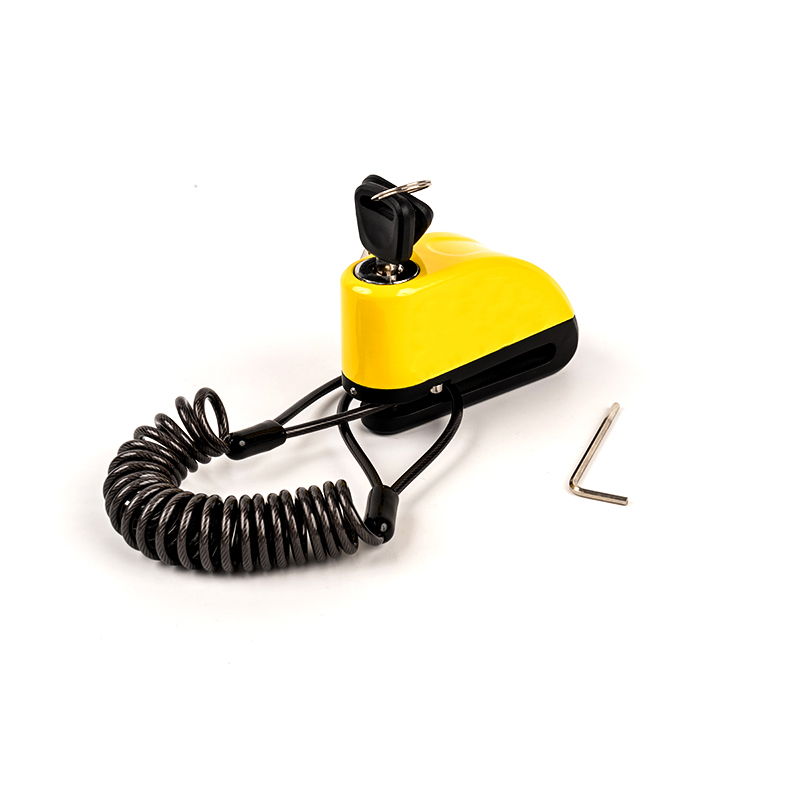
The biggest advantage of padlocks is their portability. Whether locking containers, suitcases, or bicycle brakes, users only need to carry a single compact padlock to have reliable security anytime, anywhere—no power source, no app, no complexity.
Adaptability to Various Environments
From outdoor parking lots to indoor storage lockers, padlocks can adapt to extreme climate changes and complex physical environments, serving as a universal solution for both indoor and outdoor security needs.
How Do Padlocks Perform in Different Scenarios?
While all padlocks offer basic security, their performance varies significantly depending on the lock's material and structure, leading to very different experiences in specific scenarios.

High-Security Locks (e.g., Combination Padlocks)
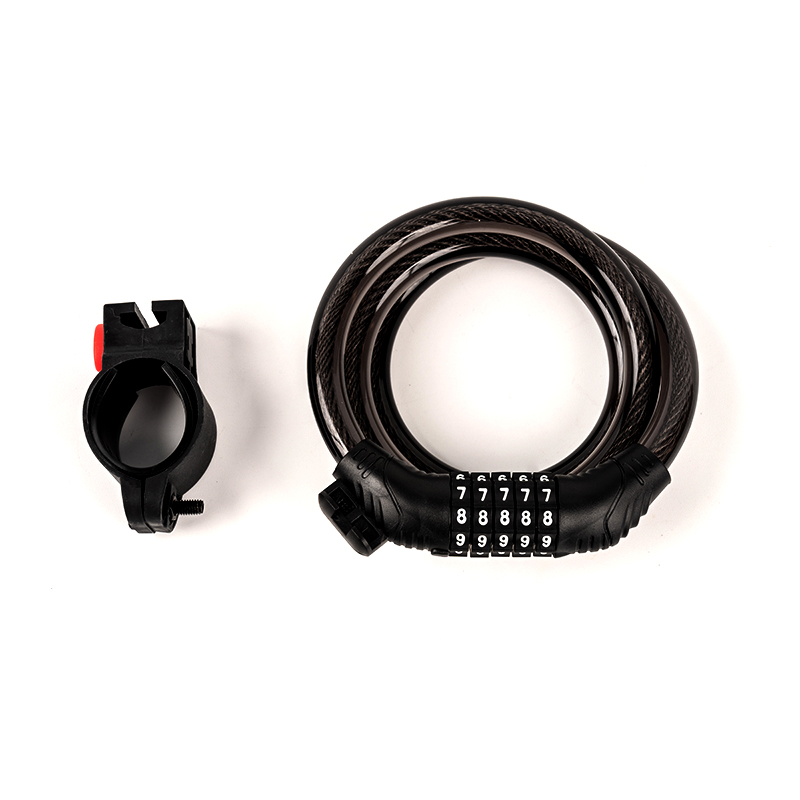
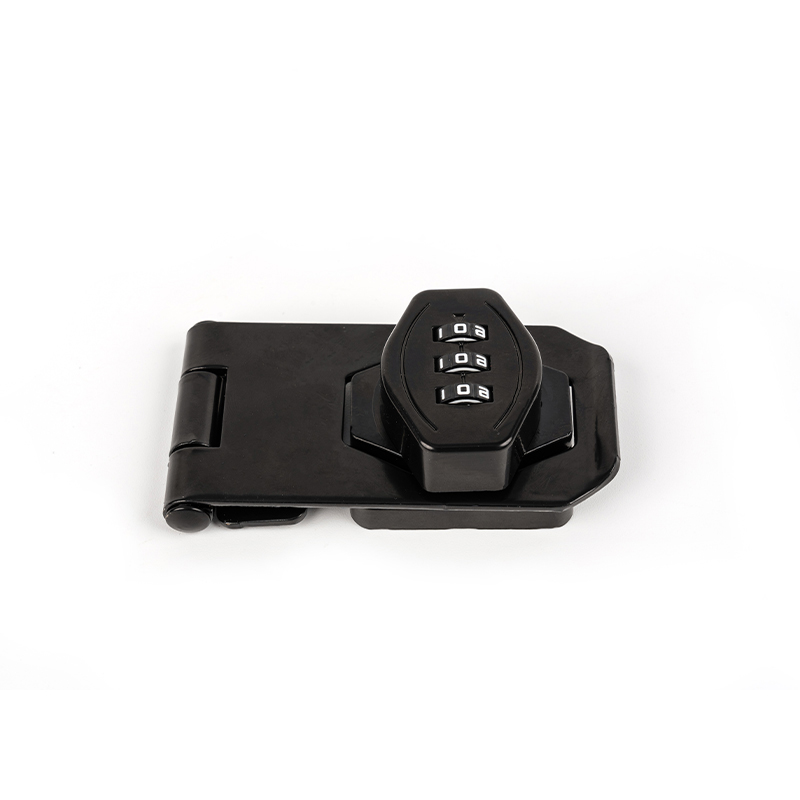
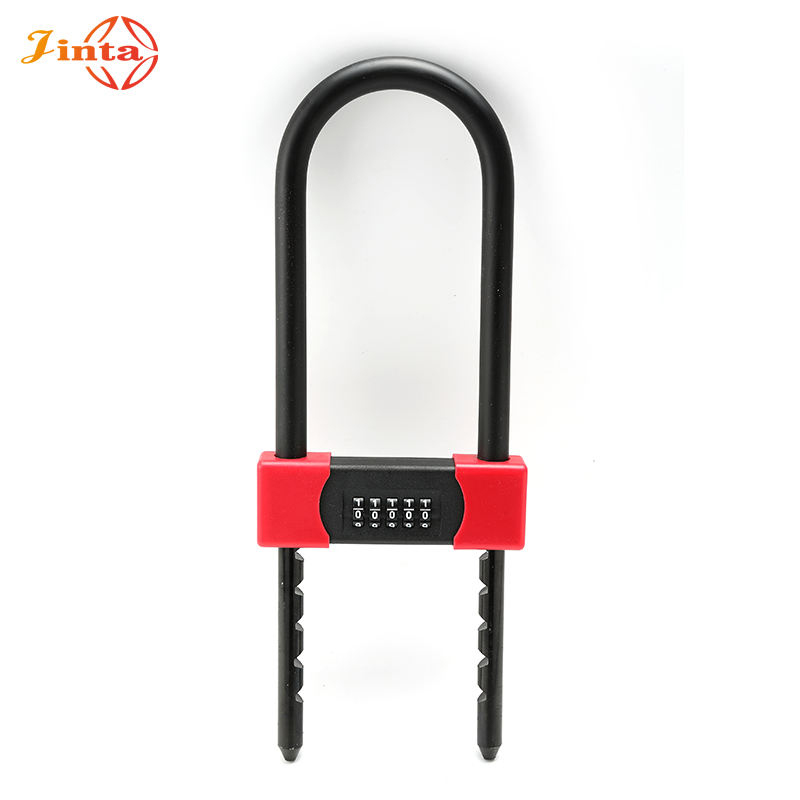
These padlocks typically use high-strength materials like stainless steel or brass, resulting in a robust and durable lock body. Combination padlocks unlock via a sequence of digits or symbols; although slightly more expensive, they excel in theft and pry prevention, making them particularly suitable for securing valuables or locations requiring long-term protection.
Lightweight Locks (e.g., Brass Locks, Aluminum Alloy Locks)
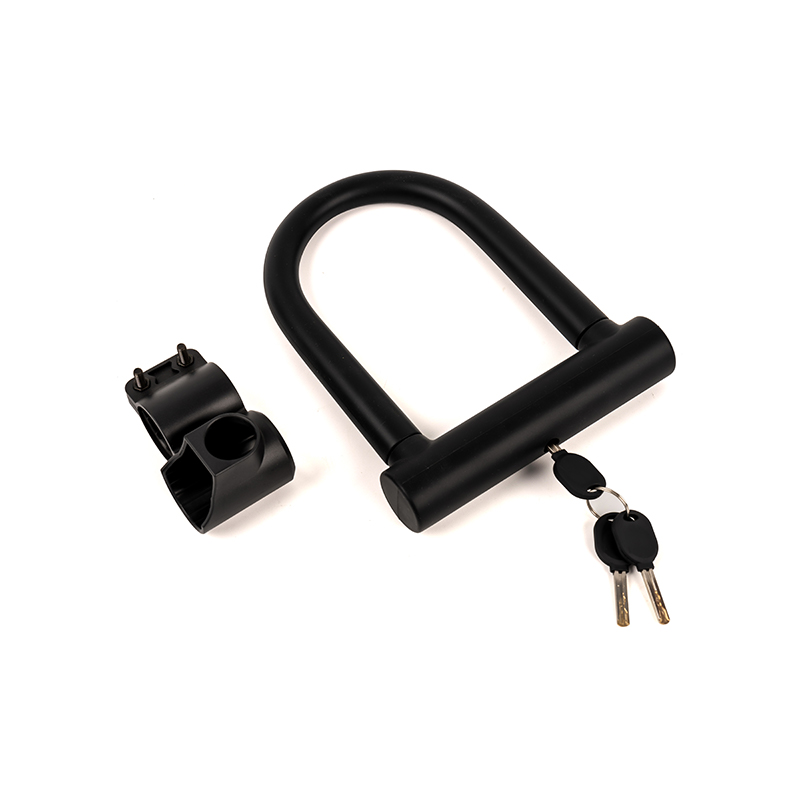
Brass locks offer excellent corrosion resistance and are typically used in moisture-rich environments, such as on ships or near the sea. Aluminum alloy locks are lightweight and cost-effective, suitable for locking bicycles or small to medium-sized lockers where convenience is paramount.
Professional Industrial Locks
Designed for specific industry needs—such as electrical equipment or chemical machinery—these locks are engineered with waterproof and dustproof features to ensure reliable operation in even the most demanding industrial environments.
| Lock Type | Key Material | Best Use Scenario | Strength Level |
|---|---|---|---|
| Combination Padlock | Stainless Steel / Brass | Valuables, Long-Term Security | ****** |
| Brass Padlock | Bronze Alloy | Marine, High-Humidity Environments | **** |
| Aluminum Alloy Lock | Aluminum Alloy | Bicycles, Small Lockers | *** |
| Industrial Padlock | High-Carbon Steel | Electrical / Chemical Equipment | ***** |
What Details Determine a Padlock's Lifespan?
Many consumers, when choosing padlocks, only focus on the appearance of the lock body or the brand, neglecting the core factors that truly determine long-term durability and performance.
Material is Fundamental
High-quality padlocks typically use 304 stainless steel or high-strength carbon steel. Stainless steel locks have strong rust resistance and can be used for a long time in humid environments without degradation; high-strength carbon steel provides superior resistance to physical attacks and forced entry.
Lock Cylinder Quality
The lock cylinder is the "brain" of the lock. Even if the lock body is extremely sturdy, a poor-quality cylinder can still be defeated by technical picking methods. When purchasing, pay close attention to the precision and wear resistance of the cylinder—it is the single most critical component.
Surface Treatment
Excellent surface treatments—such as galvanizing, painting, or heat treatment—not only enhance appearance but also prevent corrosion caused by environmental exposure. When selecting a padlock, examine whether the lock body surface is uniformly smooth, and whether the finish is consistent and free of obvious defects.
Buyer's Checklist — Key Quality Indicators
- Body Material — Look for 304 stainless steel or hardened carbon steel
- Cylinder Precision — Smooth key operation with tight tolerances signals quality
- Shackle Hardness — Boron or hardened steel resists cutting attacks
- Surface Finish — Uniform coating without bubbles or bare spots ensures corrosion protection
- Weather Rating — IP ratings or weatherproof certifications matter for outdoor use
The Bottom Line
A padlock is far more than a simple loop of metal. When chosen wisely—with attention to material quality, cylinder precision, and surface treatment—it becomes a long-lasting, environment-proof security companion. Understanding the distinctions between types ensures you always have the right lock for every situation.
© 2026 Security Essentials Guide · All Rights Reserved