
 English
 русский
 Español
 عربى
عربىContent
- 1 How a Chain Lock Works
- 2 Precision Manufacturing in Industrial Cable Production Lines
- 3 Engineering Excellence: Chain Locks for Global Markets
- 4 Material Science: Why Steel Grade Defines Lock Strength
- 5 FAQ: Common Questions About Chain Locks and Industrial Cable Production
- 6 Global Supply Chain & Certifications
How a Chain Lock Works
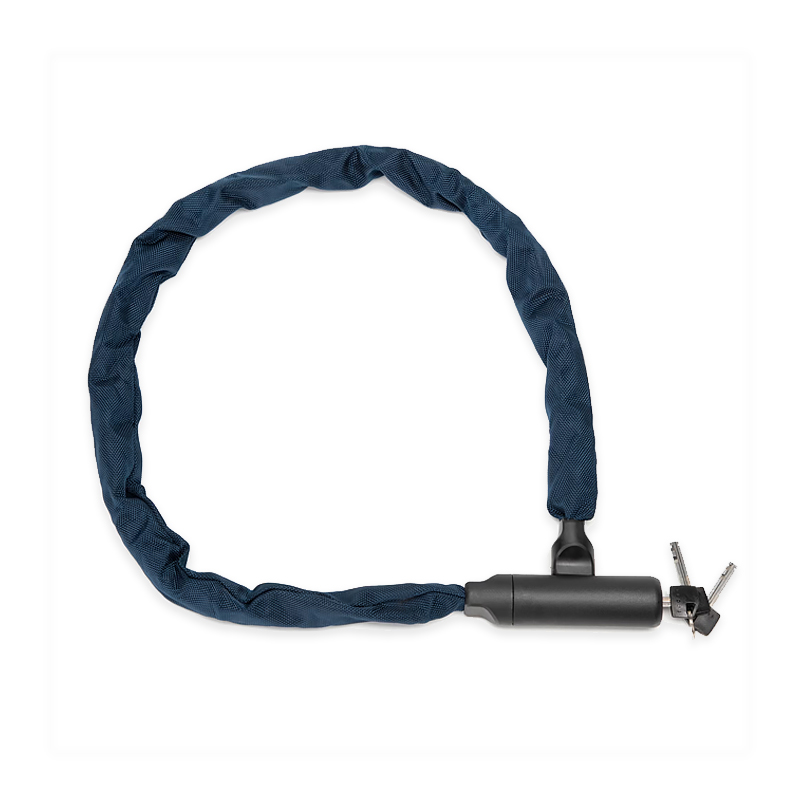
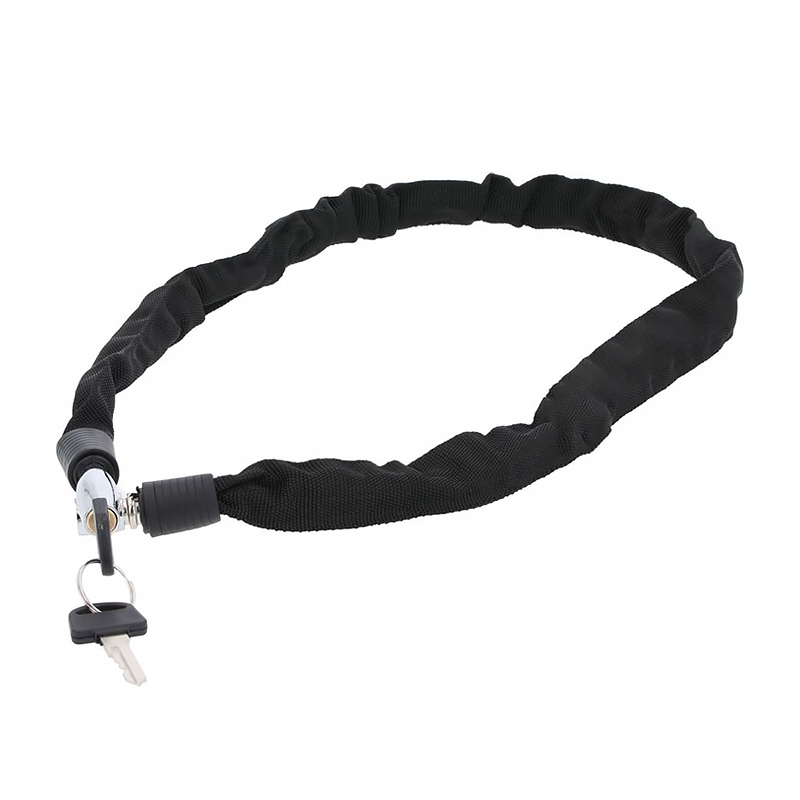
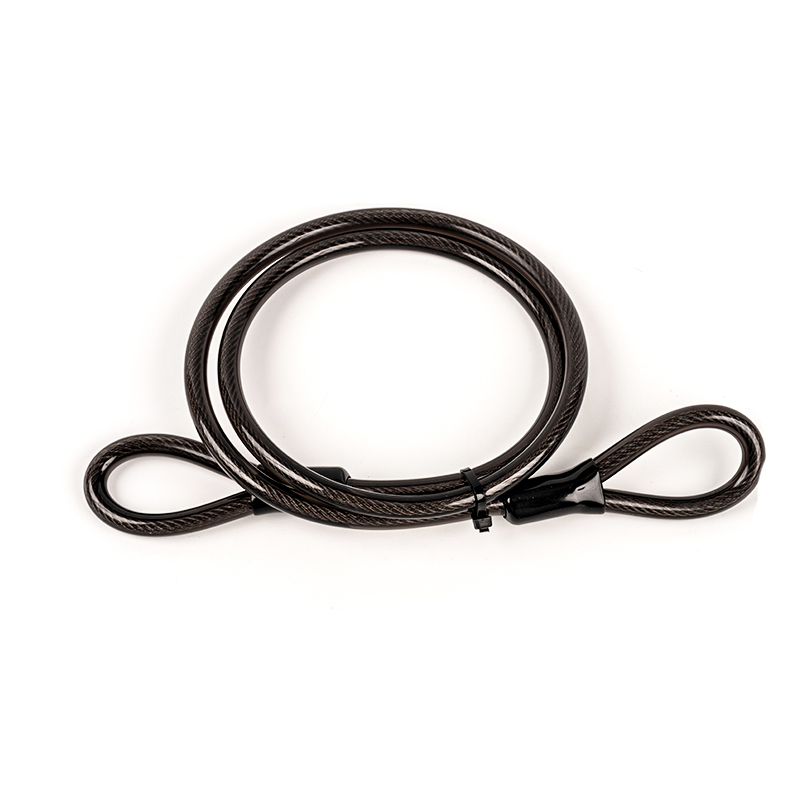
A chain lock operates on a simple but highly effective mechanical principle: a hardened steel chain link engages with a key-operated locking cylinder to create a flexible but immovable barrier. Unlike rigid locks, the chain allows for limited movement (typically 4-6 inches) when the door is slightly opened, providing security for ventilation or identification of visitors. When fully extended and locked, the chain links interlock with a reinforced striker plate, distributing force across multiple hardened steel points rather than a single bolt, making it resistant to prying and sudden impact.
In high-security industrial applications, the working principle evolves into a precision-engineered system. The locking mechanism often integrates a 6-pin tumbler system or a disc detainer core, paired with a case-hardened chain (45-50 HRC hardness). This ensures that even under tensile loads exceeding 2,000 lbs (907 kg), the lock maintains structural integrity.
Precision Manufacturing in Industrial Cable Production Lines
An industrial cable production line is a complex assembly of processes designed to transform raw steel wire into high-strength locking cables and chain components. The line typically integrates drawing, heat treatment, galvanization, and assembly stations. For manufacturers like Ningbo Jinta Import and Export Co., Ltd., which operates self-run lock factories and joint ventures in precision casting, the production line ensures that every chain link and cable strand meets stringent tensile strength requirements.
Key Production Stages & Quality Metrics
- Wire Drawing & Cutting: Steel wire is drawn to precise diameters (ranging from 2mm to 10mm) to achieve specific breaking loads.
- Heat Treatment (Austempering): Links are heated to 850°C (1562°F) and quenched to achieve a tensile strength of 1,200–1,500 MPa, preventing shear failure.
- Surface Coating: Zinc plating or powder coating (thickness 60-80 microns) is applied to pass 200-hour salt spray tests for corrosion resistance.
- Automated Assembly: Precision casting plants produce lock bodies with tolerances of ±0.05mm, ensuring smooth key rotation and bolt alignment.
| Material Type | Tensile Strength (MPa) | Typical Application |
|---|---|---|
| Stainless Steel (304) | 515 - 720 | Marine chain locks, luggage locks |
| Carbon Steel (C45) | 600 - 900 | Industrial padlocks, traffic locks |
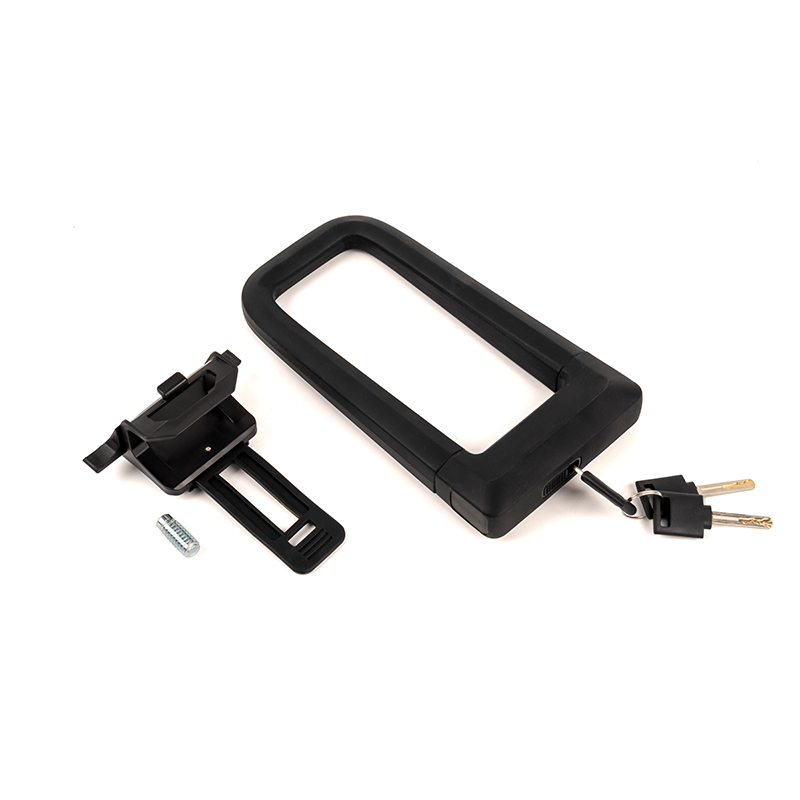
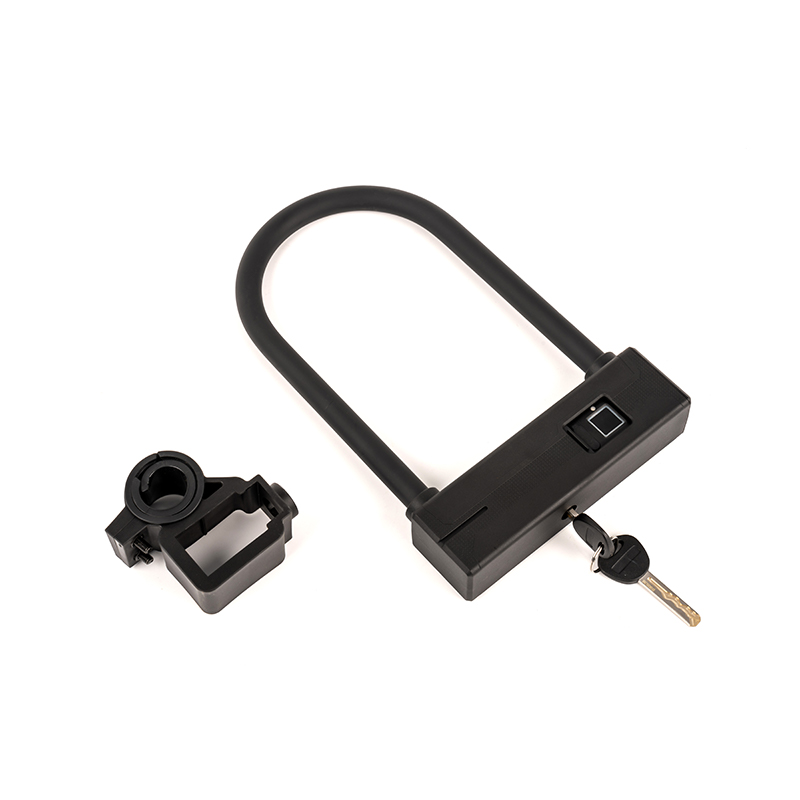
| Low Alloy Steel (4140) | 950 - 1,100 | High-security chain locks, U-shaped locks |
Engineering Excellence: Chain Locks for Global Markets
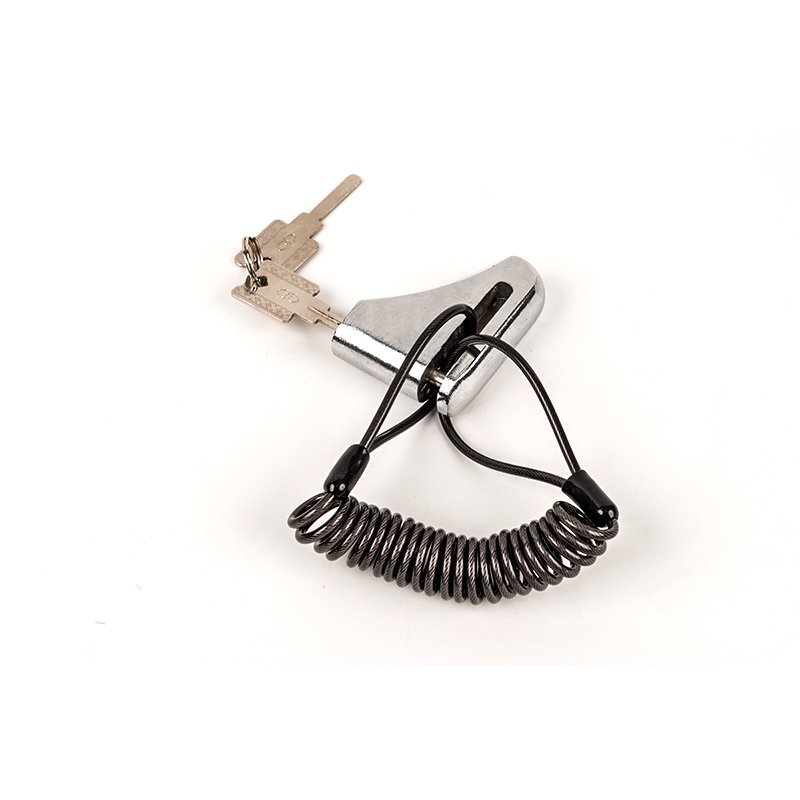
As a professional chain lock manufacturer with exports to the United States, Germany, France, Spain, Italy, the United Kingdom, Australia, and Canada, the design philosophy prioritizes end-use reliability. For instance, traffic locks used in European logistics fleets must withstand 50,000+ operational cycles without key failure, while disc locks for North American storage facilities incorporate boron alloy shackles with a hardness of 52 HRC to resist bolt cutter attacks.
Ningbo Jinta’s integrated supply chain—combining self-operated door lock factories with joint venture precision casting and mechanical processing plants—allows for strict quality control. More than 10 Fortune 500 enterprises rely on this vertical integration to source pneumatic tools (gas storage tanks), gas station pipe fittings, and casting connectors that meet ASTM and DIN standards.
Material Science: Why Steel Grade Defines Lock Strength
The security of a chain lock is not merely about the cylinder mechanism; it is fundamentally about the material. High-strength precision locks utilize stainless steel, carbon steel, and low alloy steel to achieve different balance points between corrosion resistance and brute strength.
Case Study: Gas Station Hardware Durability
In gas station environments, locks and pipe fittings face constant exposure to moisture and chemical vapors. Using 316 stainless steel for lock bodies and connectors ensures a lifespan exceeding 10 years in coastal or high-humidity zones. The production line for these components integrates CNC machining with tolerances of ±0.02mm to guarantee leak-proof connections for pneumatic tool systems.
FAQ: Common Questions About Chain Locks and Industrial Cable Production
1. Can a chain lock be cut easily?
No, high-quality chain locks use case-hardened steel (outer layer hardness up to 60 HRC, inner core 40 HRC) which causes standard bolt cutters to slip or break. Industrial-grade versions require over 15 tons of cutting force to breach.
2. What is the typical lead time for custom cable assemblies?
For factories with integrated precision casting and mechanical processing plants, such as the joint ventures associated with professional chain lock manufacturers, custom cable assemblies (including swaging, coating, and keying) typically have a lead time of 30–45 days for Fortune 500 compliance orders.
3. How do you ensure key control in high-security locks?
Advanced disc locks and traffic locks employ restricted keyways and patented cylinder designs. The production line utilizes laser-cut keys with 6-axis code variations, preventing unauthorized duplication and reducing the risk of lock picking to below 0.1% in security audits.
4. What pneumatic tool components are commonly integrated with lock systems?
Gas storage tanks and pipe fittings are often paired with lockout/tagout (LOTO) chain locks for industrial safety. The production process ensures that the gas storage tanks meet ASME Section VIII standards, while the safety locks provide a physical barrier during maintenance, with a breaking strength of 3,000 lbs to prevent accidental startup.
Global Supply Chain & Certifications
The ability to serve top-tier enterprises across Europe, North America, and Australia hinges on rigorous quality systems. Chain locks and cable production lines operate under ISO 9001:2015 frameworks, with products often requiring CE, UL, and ANSI/BHMA certifications. For a manufacturer that is both a chain lock factory and a supplier of pneumatic tools and casting joints, maintaining traceability from raw steel batch to finished assembly is non-negotiable.
In practice, this means that every U-shaped lock or padlock shipped to North American retailers undergoes a 100% functional test (key insertion, rotation, and shear load) before packaging, ensuring a defect rate of less than 0.3% annually.