
 English
 русский
 Español
 عربى
عربىContent
Door locks are one of the most inconspicuous yet indispensable objects in our lives. Simply put, they are physical barriers installed on doors that control the opening and closing of the door through a specific mechanism, thus ensuring the privacy of the room.
1. Core Components
Whether it's an old-fashioned padlock or a modern smart lock, door locks typically include these key parts:
Lock cylinder: This is the "brain" of the entire lock. When you insert the key, you are physically interacting with the lock cylinder.
Latch: This is the metal piece that actually holds the door closed. When you turn the handle, the latch retracts, allowing the door to open.
Handle/Knob: The part we interact with daily, which uses leverage to operate the internal mechanical structure.
Strike plate: A metal plate installed on the door frame that receives the latch, ensuring the door cannot be easily pushed open after being closed.
2. Common Types
We encounter various types of door locks in different situations:
Spherical lock: Most commonly found in bedrooms or bathrooms, simple in structure but very convenient to use.
Mortise lock: This type of lock is usually embedded inside the door body, offering better security, and is often used for front doors.
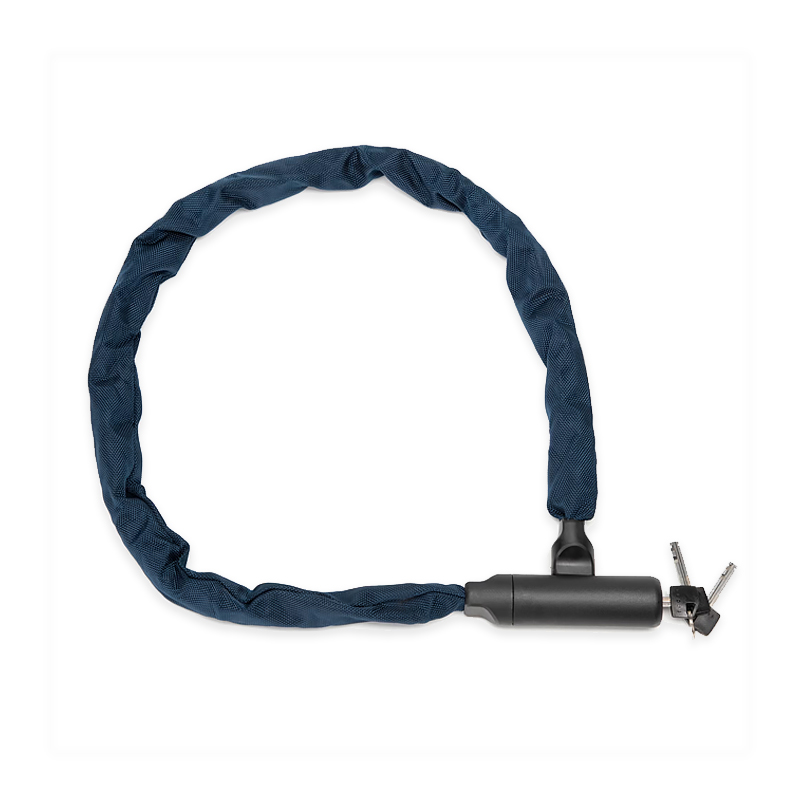
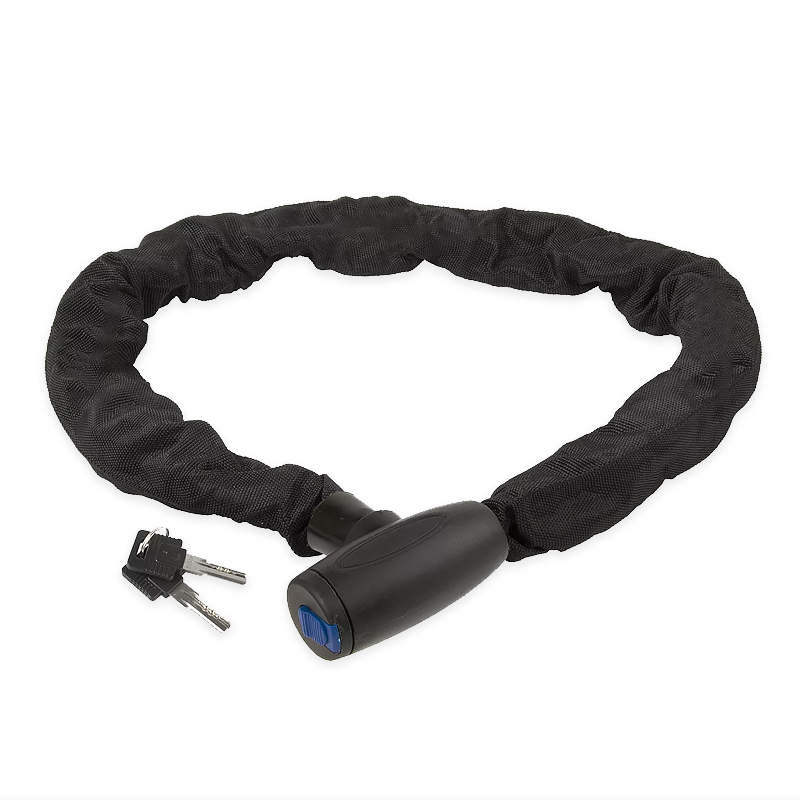
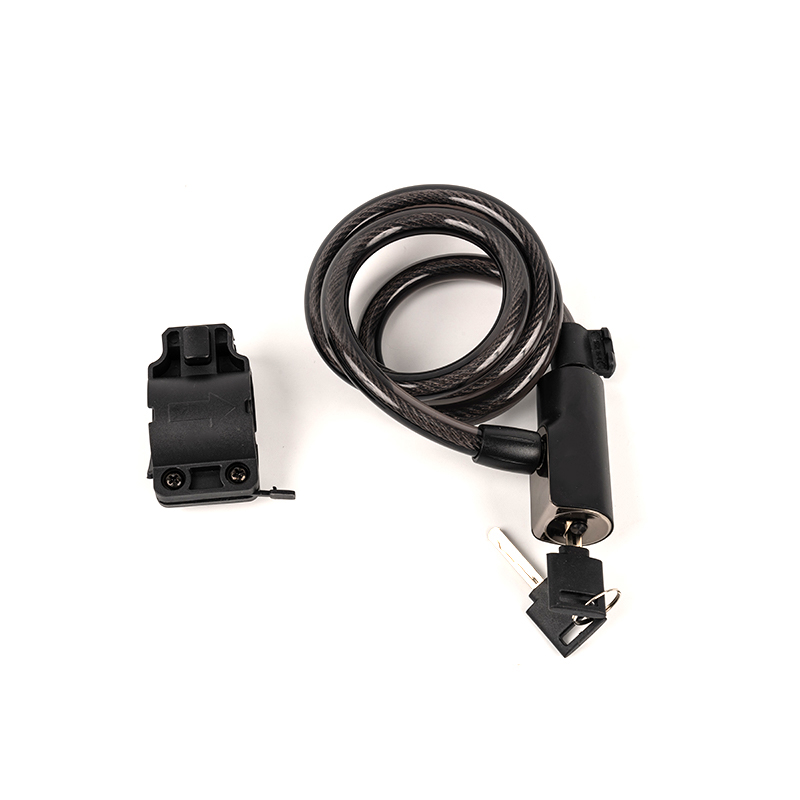
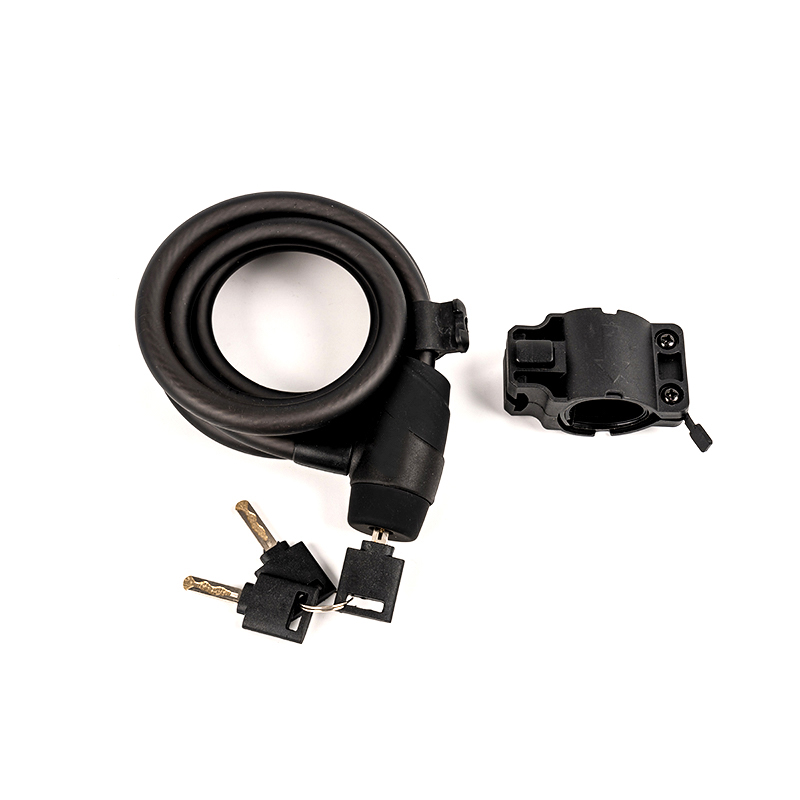
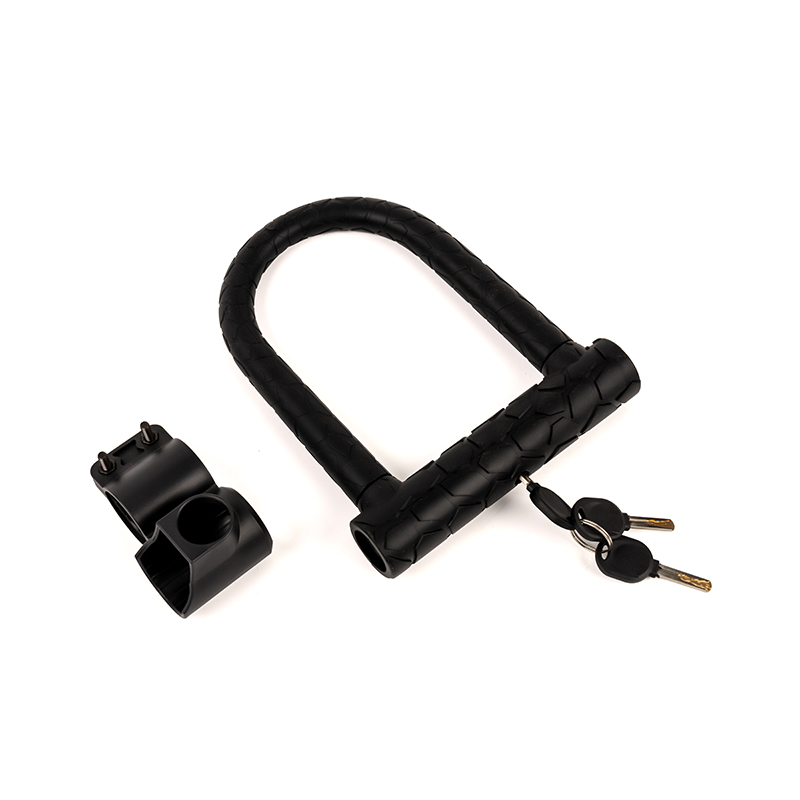
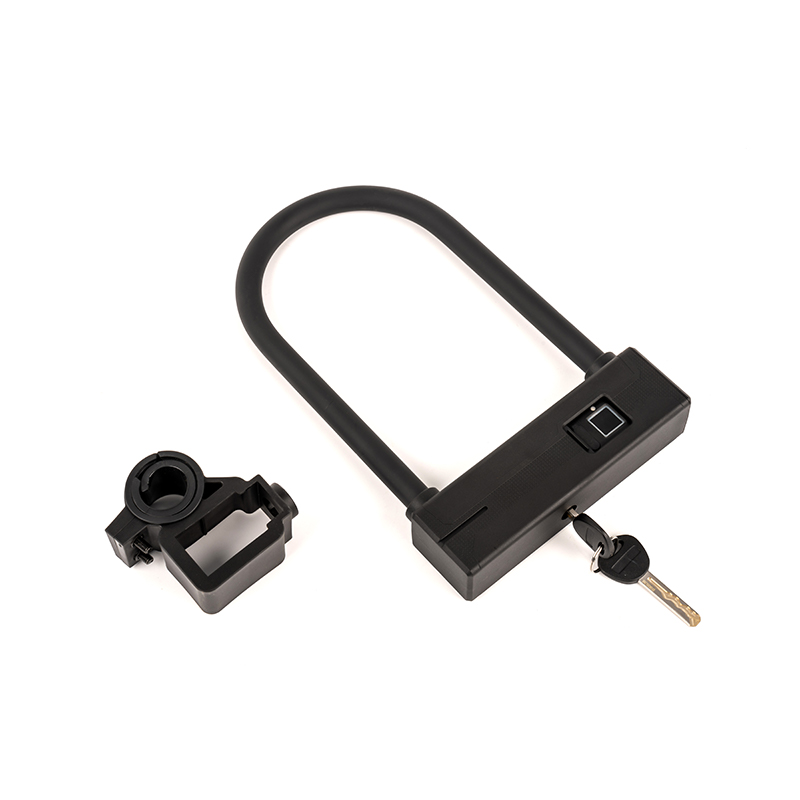
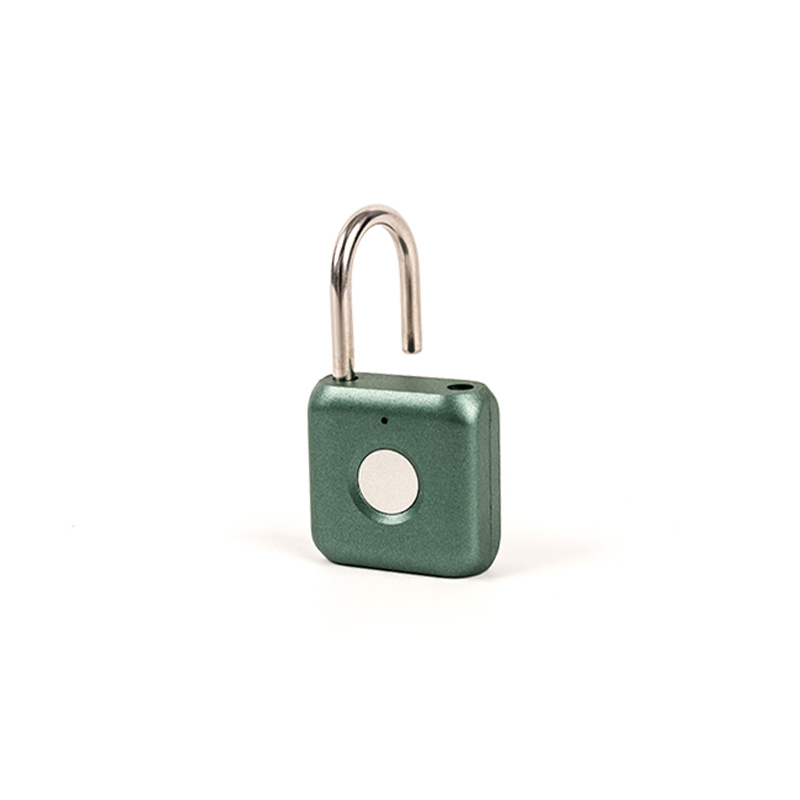
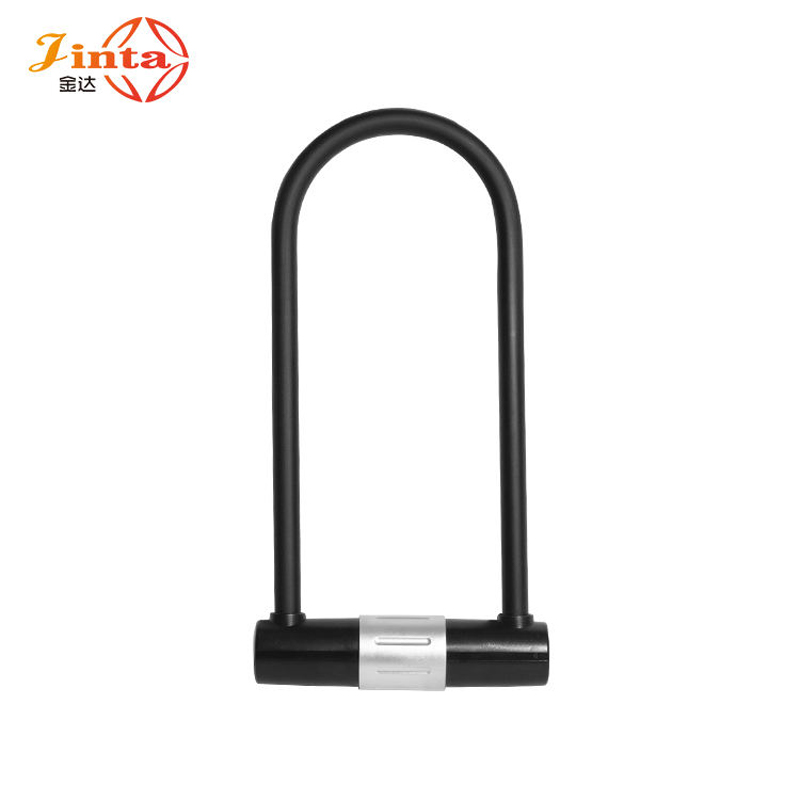
Padlock: This type of lock is independent and usually used with chains or bolts, flexible but easily tampered with by external tools.
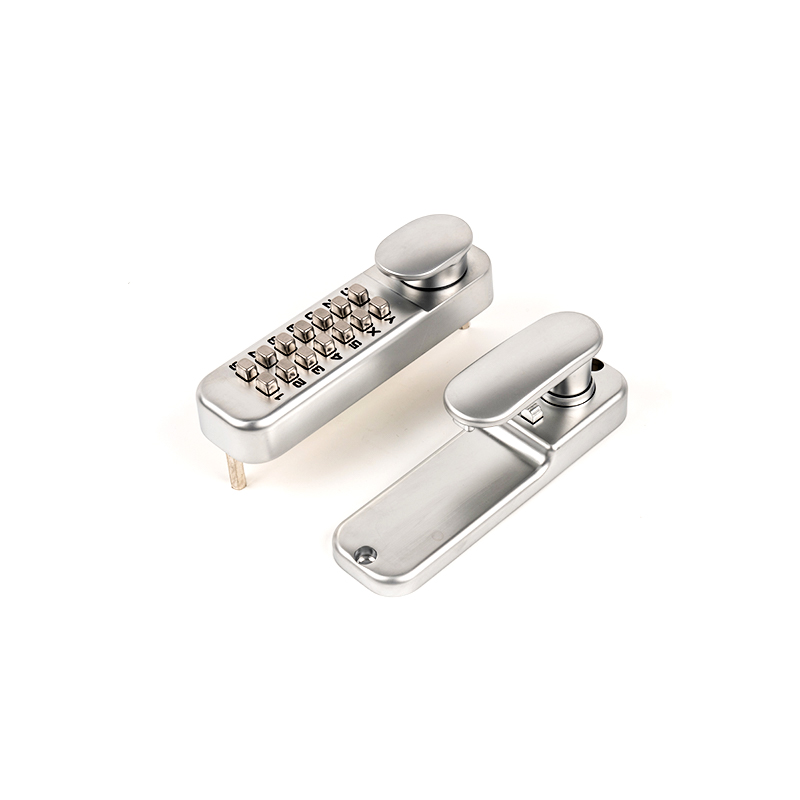
Electronic smart lock: This is the current trend, no longer relying on physical keys, but unlocking through fingerprints, passwords, or even proximity with a mobile phone.
3. Working Principle
Most traditional door locks use a "pin tumbler mechanism." The lock cylinder contains a row of small springs and metal pins. Only when the correct key is inserted will these metal pins be pushed into the correct position, allowing the lock cylinder to rotate freely. If the key is incorrect, the metal pins will jam, and the door will remain locked.
4. Why do we need them?
Defining boundaries: It clearly defines whether a space is accessible to others.
Psychological reassurance: The moment you close the door and lock it brings a sense of belonging and security.
Protecting privacy: Whether at home or in the office, a lock is the first line of defense for protecting personal space.
5. How to choose the right lock?
When choosing door locks, you should usually consider their durability and ease of use. For the main entrance door of a house, people usually choose models made of sturdy materials with strong anti-burglary features; while for interior doors, the focus is more on aesthetics and whether the door opens and closes quietly.